
How to Maximize Weight Loss on Semaglutide
February 25, 2026
Tirzepatide Benefits for Women: What You Need to Know
March 27, 2026
If you are thinking about your health in 2026, chances are weight loss has crossed your mind at least once. Maybe you have tried different plans before, like setting short-term weight loss goals that felt motivating in January but difficult to maintain by spring. Or maybe you are simply looking for a medically supported way to reach realistic weight loss goals that you can actually keep up with.
In any case, the trends are readily evolving. People are no longer chasing extreme results but are asking questions that support long-term well-being. For example, they are wondering, what is a realistic weight loss goal for my body? How can I set achievable weight loss goals without feeling overwhelmed? And is there a safe and medically guided option that can support me along the way?
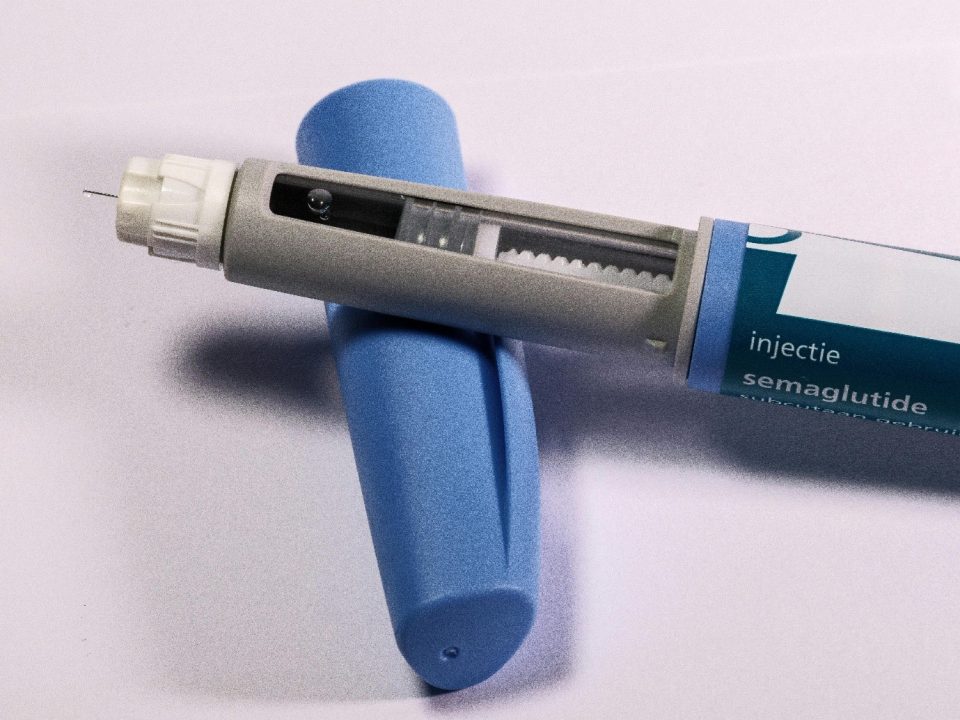
That is where semaglutide for weight loss goals in 2026 comes in. It is backed by clinical research and increasingly used in comprehensive medical weight management programs. Consequently, it has become a promising option for individuals who want more than willpower alone.
What is Semaglutide?
Before deciding whether semaglutide aligns with your weight loss goals in 2026, it helps to understand what it actually is and how it works.
Semaglutide is a medication originally developed to support blood sugar regulation in individuals with type 2 diabetes. As time has passed, research has revealed that it also plays a powerful role in appetite regulation and weight management.
It works by mimicking a naturally occurring hormone in the body that influences hunger signals, which helps you feel fuller for a longer period of time and reduces overall calorie intake.
If you are an individual focused on setting realistic weight loss goals, semaglutide offers a medically supervised option that complements lifestyle improvements such as balanced nutrition, protein goals for weight loss, and consistent physical activity.
Rather than replacing healthy habits, it supports them and helps you set achievable weight loss goals.
Why So Many People Are Considering Semaglutide for Weight Loss Goals in 2026

If you have struggled with weight management at any point, you already know it is not as simple as “eat less and move more.” Most people have tried that advice and tracked every calorie. There are also some people who have followed strict meal plans.
You may have also started strong in January with ambitious short-term weight loss goals, only to feel discouraged a few months later when progress slowed down. And that is okay, we have all been there.
However, this mindset has been changing in recent years. More people now recognize that weight is influenced by hormones, metabolism, stress, sleep, and medical history. When your body constantly signals hunger or holds onto weight despite effort, that can be frustrating. But that is not a lack of effort. Rather, it is simple biology.
That is why interest in semaglutide has grown in 2026. It works with your body’s appetite regulation system instead of fighting against it. Many patients describe feeling less preoccupied with food and more capable of sticking to their weight loss goals without constant internal struggle.
Clinical evidence supports this experience as well. A major study reported that participants using semaglutide alongside lifestyle changes achieved an average weight reduction of nearly 15% over 68 weeks.
This may make you see that setting realistic weight loss goals does not have to be overwhelming. Instead of chasing dramatic results, you can focus on reasonable weight loss goals that are sustainable. And that transition, from pressure to partnership with your body, is usually what makes the difference.
Who Might Be a Good Candidate?
You may be wondering whether semaglutide is appropriate for you personally. In general, semaglutide is prescribed for adults who fall within the obesity range based on body mass index, or for those who are overweight and also managing weight-related conditions such as high blood pressure or type 2 diabetes.
It is typically considered when someone has made consistent lifestyle efforts but continues to struggle with meaningful and sustained progress.
Many patients share a similar story. They improved their eating habits, increased their walking goals for weight loss, paid attention to calorie goals for weight loss, and tried to stay consistent. Yet the scale barely moved, or the weight returned despite their efforts.
In situations like this, it may not be a matter of discipline. It may be metabolic resistance, hormonal influences, or insulin regulation challenges. Understanding that distinction can be empowering.
Research has shown promising outcomes for individuals who meet appropriate criteria. In a large clinical trial, participants using semaglutide alongside lifestyle interventions experienced significant and sustained weight reduction compared to placebo groups.
Results like these have helped many patients set more realistic weight loss goals grounded in medical support.
At the same time, it is important to approach treatment thoughtfully. Semaglutide is not designed to replace healthy habits. It works best when paired with balanced nutrition, movement, and clear daily nutrition goals for weight loss. It is a medical tool that requires supervision, monitoring, and individualized care.
If you have been setting achievable weight loss goals yet feel stuck despite your efforts, a medical evaluation can help determine whether semaglutide fits into your overall health plan. The key is guidance, not shortcuts.
Questions to Ask Yourself Before Starting
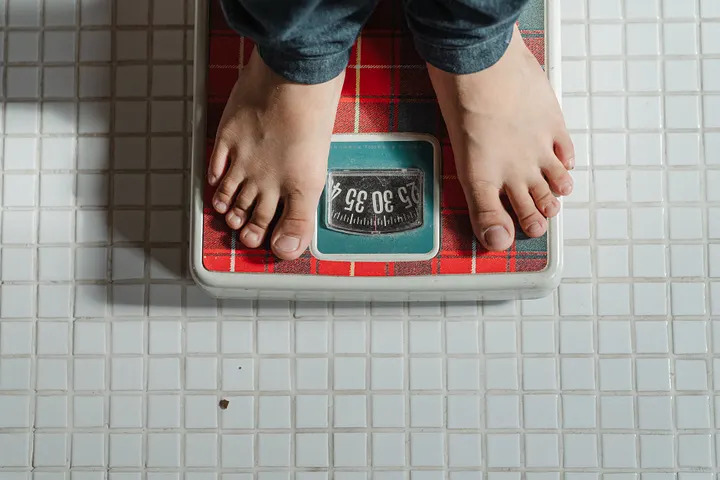
Before beginning any medical weight management plan, it helps to take some time and reflect honestly. Instead of framing the decision as “Is this the easy way out?” consider asking yourself deeper and more constructive questions.
- Are you looking for support or expecting a miracle? Sustainable change usually happens when you combine the right tools with personal commitment. Semaglutide can support appetite regulation, but it works best alongside thoughtful habits such as balanced meals and hydration goals.
- Are you prepared to build systems around your progress? Some people benefit from using a weight loss goal planner or tracking methods to stay accountable. This allows them to visualize milestones.
- Do you have medical guidance and follow-up care in place? Ongoing supervision ensures your progress is monitored safely and adjustments are made when needed.
Moving Forward with Confidence in 2026
Deciding whether semaglutide for weight loss goals in 2026 is right for you entails an understanding of your body, your history, and the kind of support you need to move forward in a healthy and sustainable manner.
Keep in mind that weight management looks different for everyone. For some people, it means refining nutrition habits and setting smart weight loss goals. For others, it means combining lifestyle changes with medically guided treatment to finally see progress that is maintainable.
The most important step is not the medication itself. But choosing a plan that is personalized, supervised, and aligned with your overall health. When you approach weight loss with professional guidance, realistic expectations, and clear milestones, your goals go above and beyond numbers.
At Ayanna Essential Healthcare, LLC, we believe that quality care should be accessible, compassionate, and tailored to you. Under the leadership of Dr. Ayanna Artis, DNP, APRN, we provide virtual consultations, weight management programs, chronic condition management, and ongoing support designed around your individual needs.
If you are ready to explore whether semaglutide fits into your journey, our team is here to guide you with expertise and care.