
Understanding the Everyday Challenges of Chronic Disease Management
July 27, 2026
Is Wegovy the Same as Ozempic? What You Need to Know
August 27, 2026
When a lot of people receive a diagnosis of type 2 diabetes or prediabetes, they think that their health journey has reached its destination. But that is not true, because for a lot of people, that is actually the beginning of making smart lifestyle changes that can improve blood sugar levels, support well-being, and reduce the risk of future complications.
If you have ever wondered, can diabetes be reversed, or what practical steps you can take to improve your health, you are not alone. What you need to do is explore strategies that support long-term diabetes management, explain the role of medical supervision, and discuss lifestyle habits that can help you move toward healthier blood sugar levels.
At the end of the day, learning how to reverse diabetes starts with understanding that consistent and sustainable habits can have the greatest impact on your health.
While every person’s experience is different, there are a lot of individuals out there with type 2 diabetes or prediabetes who can achieve significant improvements through a combination of healthy eating, regular physical activity, weight management, and ongoing medical care. Success, in this case especially, comes from making informed choices that fit your lifestyle and working closely with a qualified healthcare provider to monitor your progress.
5 Ways to Reverse Diabetes

Learning how to reverse diabetes involves making sustainable lifestyle changes that improve blood sugar control. When these habits are combined with personalized medical guidance, it is possible for you to experience meaningful improvements that can last for years.
The journey looks different for everyone, but several strategies have consistently shown positive results for diabetes and other chronic conditions.
Here are a few ways to support healthier blood sugar levels and work toward long-term success.
1. Build a Healthy Eating Pattern That Supports Blood Sugar

Nutrition plays a central role in improving blood sugar control and supporting your health. Rather than following restrictive diets, a number of healthcare providers encourage balanced meals that include lean protein, high-fiber vegetables, whole grains, healthy fats, and appropriate portion sizes. These choices help stabilize glucose levels while providing the nutrients your body needs every day.
A lot of people searching for how to lower blood sugar focus on eliminating specific foods. Although reducing added sugars and highly processed carbohydrates can be beneficial, you need to maintain consistent eating habits as they have a greater long-term impact. Eating regular meals, choosing fiber-rich foods, and staying hydrated all contribute to better glucose management while making healthy habits easier to maintain.
Nutrition should also complement your overall diabetes treatment plan. Depending on your individual needs, your healthcare provider may recommend medications, weight management strategies, routine blood sugar monitoring, or regular follow-up visits alongside lifestyle changes. Combining these approaches will help make a personalized plan that supports lasting progress instead of relying on a single intervention.
Research has also demonstrated the value of healthy lifestyle changes, time and time again. One study also notes that nutrition plans and sustained weight management can significantly improve blood glucose control and help some individuals with type 2 diabetes achieve remission when medically appropriate.
2. Stay Physically Active and Form Sustainable Habits
Regular physical activity helps your body use insulin more effectively while supporting heart health, weight management, and wellness. You do not need an intense workout routine to experience benefits because simple actions, like walking after meals, strength training several times each week, or participating in activities you genuinely enjoy, can all contribute to healthier blood sugar levels.
Forming consistent habits also means preparing for everyday challenges such as busy schedules, travel, social gatherings, or family responsibilities. Keep in mind that planning meals in advance, scheduling workouts, and celebrating small milestones can make healthy routines easier to maintain throughout the year.
3. Maintain a Healthy Weight With Professional Guidance
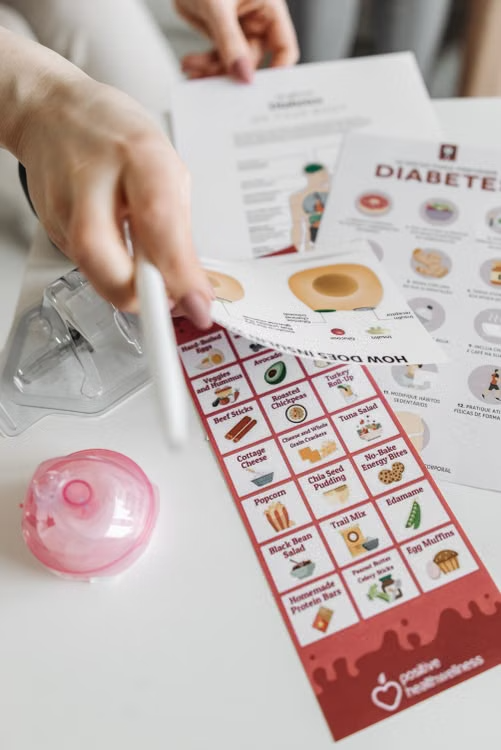
Achieving and maintaining a healthy weight helps improve insulin sensitivity while supporting better blood sugar control. Even modest, but sustained weight loss has been associated with meaningful health benefits for many people living with type 2 diabetes or prediabetes.
If your goal is learning how to avoid diabetes, early lifestyle changes remain one of the most effective strategies. Healthy eating, regular physical activity, quality sleep, and routine medical care all work together to reduce future risk while supporting overall wellness.
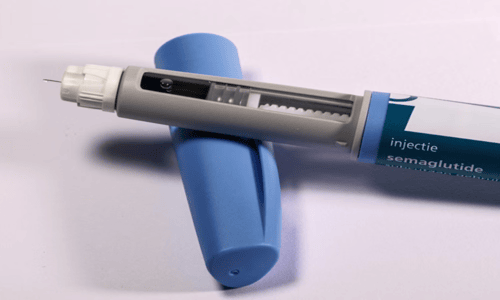
Individuals who are already diagnosed with type 2 diabetes also need to ensure that they lead a carefully supervised lifestyle. Medications such as semaglutide and tirzepatide may also be considered as part of a medically supervised treatment plan for certain people with type 2 diabetes. In addition to improving blood sugar control, these medications can support weight loss, which may contribute to diabetes remission for some individuals. However, they do not permanently reverse diabetes for everyone and should only be used under the guidance of a qualified healthcare professional.
4. Monitor Your Progress and Work Closely With Your Healthcare Provider
What most people do not realize is that healthy lifestyle changes become even more effective when they are supported by regular medical follow-up. Routine appointments allow your healthcare provider to evaluate your progress, adjust medications when appropriate, and identify opportunities to improve your care plan.
Many people ask what lowers blood sugar most effectively. The answer usually involves a combination of balanced nutrition, physical activity, appropriate medications when needed, stress management, and consistent monitoring rather than relying on any single approach.
If you are exploring how to reverse prediabetes, then make sure to work with an experienced healthcare professional who can help you develop realistic goals while tracking improvements over time. Personalized guidance makes it easier to build sustainable habits that support better health and reduce uncertainty throughout your journey.
5. Focus on Long-Term Lifestyle Changes.

Making significant improvements requires patience, consistency, and realistic expectations. Long-term health is not just achieved through short-term diets or temporary exercise programs. Instead, sustainable habits become part of your daily lifestyle and continue supporting your well-being for years to come.
In the case of many individuals, reversing diabetes involves making gradual improvements that remain manageable over time. Preparing nutritious meals, staying active, prioritizing sleep, managing stress, and attending regular medical appointments all contribute to better blood sugar control while supporting overall wellness.
Remember that progress looks different for every person. Some people notice improvements quickly, while others experience gradual changes over several months. Focusing on steady progress rather than perfection helps create habits that are easier to maintain while supporting success.
How to Reverse Diabetes: Your Journey Toward Better Health
Learning how to reverse diabetes is ultimately about building healthy habits that support long-term wellness while working closely with qualified healthcare professionals. Consistent nutrition, regular physical activity, healthy weight management, routine monitoring, and personalized medical care all play valuable roles in improving blood sugar control.
At Ayanna Essential Healthcare, we are committed to helping patients achieve their health goals through compassionate care. Whether you need support with weight management, diabetes control, chronic condition management, virtual consultations, or personalized treatment plans, our team works alongside you to create practical strategies that fit your lifestyle. Together, we can help you build sustainable habits that support lasting health and confidence.