

Understanding a Semaglutide Plateau: Causes and Next Steps
September 25, 2026
Sometimes, changes in your health can be easy to explain away as part of a busy routine or a normal change in how you feel. However, certain patterns deserve a closer look, especially when they continue as time passes.
This is where learning about the early signs of type 2 diabetes can help you recognize changes such as increased thirst, frequent urination, unusual tiredness, increased hunger, or blurred vision.
Some people may experience several symptoms, while others may have few or no noticeable changes in the early stages.
Knowing what these changes can look like gives you a better starting point for a conversation with your healthcare provider and, when appropriate, a blood glucose test.
All the Early Signs of Type 2 Diabetes That You Should Know
Understanding the early signs of type 2 diabetes can make a major difference in how you approach your bathroom habits, energy, appetite, as well as body weight.
Here are some important signs to know and understand.
1. Frequent Urination
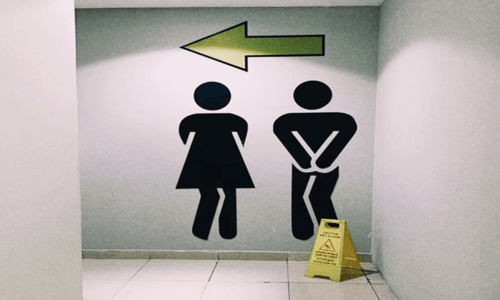
Finding yourself using the bathroom more often than usual can be an early indication that something has changed with your blood glucose levels. You may notice more frequent trips during the day, or you might begin waking up at night to urinate when that was previously unusual for you.
The kidneys help filter your blood and remove waste through urine. When glucose levels rise beyond what the kidneys can comfortably reabsorb, some glucose enters the urine and draws additional fluid with it. This process can increase urine production and make bathroom trips more frequent.
The change may seem minor at first, particularly if you have recently increased your fluid intake. However, a persistent shift in your usual routine deserves attention, especially when there is no obvious lifestyle explanation.
If you have been asking yourself, how do I know if I have type 2 diabetes, frequent urination can be one detail worth mentioning during a healthcare appointment. A symptom alone cannot establish a diagnosis, because several conditions can affect urination. Blood testing provides the information needed to assess glucose levels accurately.
2. Increased Thirst

Have you noticed that you are reaching for water considerably more than you usually do? This is because a noticeable increase in thirst can accompany changes in the way your body handles glucose and fluids.
When the kidneys remove excess glucose through urine, the body can lose additional water. Your brain responds to this shift by encouraging you to drink more, helping restore the body’s fluid balance. You may therefore notice a stronger desire for water throughout the day or feel thirsty again soon after drinking.
Of course, thirst can increase for many ordinary reasons. Warm weather, exercise, salty meals, and spending long periods outdoors can all change your fluid needs. The timing and persistence of the symptom provide useful context.
Learning the symptoms of type 2 diabetes means looking at the body as a whole rather than assigning one explanation to every change. Increased thirst may become more noticeable alongside other changes, but it can also appear independently.
Recognizing symptoms early can also present an opportunity to discuss blood glucose testing and appropriate care. For people with prediabetes, early lifestyle changes and medical guidance may help reverse diabetes progression or delay the development of type 2 diabetes. The right approach depends on your individual health and blood glucose levels.
3. Feeling More Tired Than Usual

There is a difference between ordinary tiredness after a demanding day and a sustained change in your energy. You might find familiar tasks require more effort, your concentration feels different, or you simply do not feel as refreshed as you normally would.
Glucose serves as an important source of energy for the body. In type 2 diabetes insulin resistance can interfere with how effectively cells respond to insulin and use glucose. This altered energy availability can contribute to fatigue, although tiredness has many possible causes outside diabetes.
Sleep quality, emotional stress, nutrition, medication effects, anemia, thyroid conditions, and other health concerns can all influence energy levels. That matters, especially when considering possible signs and symptoms of type 2 diabetes.
Experts also note that feeling very tired is one of the recognized symptoms of diabetes. They further disclose that some people have no noticeable symptoms, which reinforces why symptoms alone cannot determine whether someone has diabetes.
A simple way to describe this change is to consider what feels different from your personal baseline. Perhaps your typical afternoon activities now require more recovery time, or you have noticed less energy during routine tasks.
4. Unintentional Weight Loss

You may start to lose weight for a number of reasons, which may or may not include differences in appetite, physical activity, stress, or eating patterns. But when there is a noticeable decrease without a deliberate change in your routine, it can provide another reason to look more closely at what your body may be experiencing.
When it comes to type 2 diabetes, insufficient insulin activity can affect how the body uses glucose for energy. Since the glucose cannot move into cells effectively at this point, the body may begin using stored fat and other energy sources instead. This process can contribute to weight loss even when someone has not intentionally changed their diet or exercise habits.
The phrase type 2 diabetes unexplained weight loss describes this particular pattern, although unexpected weight loss can occur with many other medical conditions as well. The amount, speed, and circumstances surrounding the change all have an impact.
Appetite may change during this period, too. Some people experience increased hunger because their cells are not receiving glucose as efficiently as expected, while others simply notice that their weight is shifting without a clear explanation.
It can be easy to connect unexpected weight changes with burnout, stress, or a demanding period at work or home. Those factors can certainly influence eating habits and body weight, but unexplained changes deserve appropriate attention when no clear reason exists.
In such cases, a healthcare professional can consider your complete health picture and determine whether glucose testing or another evaluation would be useful.
Understanding Your Health Starts With Awareness
Once you are aware of the possible symptoms, you can use that information as a useful starting point in your journey to understand your health. However, as mentioned before, early signs of type 2 diabetes can develop without notice, and some people experience few noticeable changes, so paying attention to patterns and discussing concerns with a qualified healthcare professional can support informed decision-making.
The good news is, at Ayanna Essential Healthcare, we provide chronic condition management alongside virtual consultations, sick visits, and weight management services. Our approach focuses on helping patients understand their health and make informed choices with professional guidance.
If you have noticed changes that concern you or want to discuss your diabetes risk, our team is here to support your next step with knowledgeable and patient-focused care.