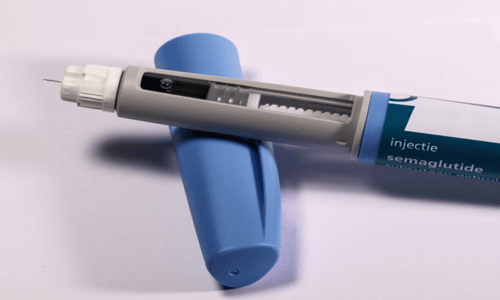
4 Early Signs of Type 2 Diabetes You Shouldn’t Ignore
October 15, 2026
It can be exciting to start a weight management journey with GLP-1 medication, especially when you begin making choices that support your health along the way. However, a smaller appetite can also make it harder to get enough protein, fiber, vitamins, and minerals throughout the day. That is where a well-planned GLP-1 diet plan can make a significant difference.
Whether you are taking semaglutide or tirzepatide, it is important to choose balanced meals with lean protein, vegetables, whole grains, and healthy fats, which can help you meet your nutritional needs while working toward your weight management goals.
Small adjustments to meal portions, hydration, and food choices may also help you manage common digestive side effects. All you need is guidance that aligns with your needs, and you can build sustainable eating habits that support your progress.
The Complete GLP-1 Diet Plan for You
Building a balanced GLP-1 diet plan includes picking foods that provide essential nutrients without making meals unnecessarily heavy. Whether you take semaglutide or tirzepatide, careful food choices can support your weight management goals while helping you maintain energy and strength.
Here are some important food groups to prioritize in your daily meals.
1. Lean Protein for Muscle Support
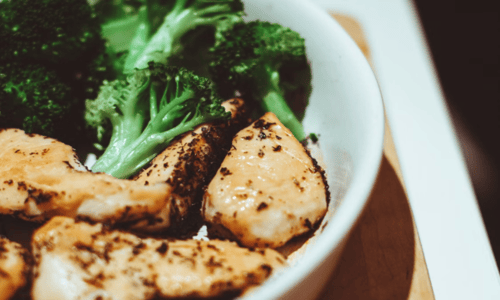
Protein deserves a central place in your GLP-1 diet because your body needs it to maintain muscle tissue during weight reduction. Good options include eggs, skinless chicken, fish, tofu, cottage cheese, and plain Greek yogurt. These foods provide protein along with other nutrients that support normal body functions.
When appetite decreases, it may become difficult for you even to consume a large meal. Starting with a protein source can help you make the most of smaller portions before fullness sets in. For breakfast, try eggs with whole-grain toast, or prepare Greek yogurt with a small serving of nuts. Meanwhile, lunch and dinner can include grilled chicken, baked fish, or lentils.
According to research, adequate protein intake like this, particularly during GLP-1 treatment, alongside strength training, helps preserve muscle mass.
Your individual protein needs depend on factors such as age, activity level, kidney health, and treatment goals. A personalized GLP-1 diet plan can help you determine suitable portions with guidance from your healthcare provider.
2. Vegetables, Fruits, and Fiber-Rich Foods
Vegetables, fruits, and legumes offer vitamins, minerals, and dietary fiber that support overall health during weight management. Include options such as spinach, carrots, berries, apples, lentils, and chickpeas throughout the week. These ingredients also bring different textures and flavors to meals, which makes nutritious eating easier to maintain.
If you are following a tirzepatide diet, try adding cooked vegetables to lunch or including berries with breakfast. People following a semaglutide diet can also benefit from incorporating beans, pears, and leafy greens into their usual meals. Begin with small portions, particularly if your digestion has become more sensitive since starting treatment.
In addition to this, fiber supports bowel regularity, which matters because constipation can occur with these medications. However, increasing fiber too quickly may worsen bloating or abdominal discomfort. Introduce higher-fiber foods gradually and drink adequate fluids throughout the day.
Semaglutide and tirzepatide can reduce appetite, so selecting nutrient-rich foods becomes especially important when your overall intake decreases. If certain raw vegetables seem difficult to tolerate, try steaming or roasting them until tender. Your healthcare provider can help you adjust your choices if digestive symptoms persist.
3. Whole Grains and Healthy Fats
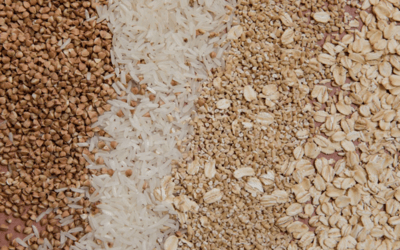
Whole grains and unsaturated fats can round out meals while supplying nutrients your body needs. Choose oats, quinoa, brown rice, and whole-grain bread for carbohydrates that also contribute fiber. When it comes to healthy fats, include olive oil, avocado, walnuts, almonds, and chia seeds in moderate portions.
These ingredients work well in practical GLP-1-friendly food combinations. You might prepare oatmeal with chia seeds, serve quinoa alongside roasted vegetables, or add avocado to a chicken salad. Combining different food groups helps make meals varied while supporting a balanced nutritional intake.
Research further highlights the importance of adequate nutrient intake during GLP-1 treatment, especially when reduced appetite makes it harder to meet nutritional needs. Experts recommend a varied pattern that includes whole grains, plant fats, vegetables, and protein-rich foods.
If you are creating a tirzepatide meal plan, use modest amounts of healthy fats because larger, high-fat meals may aggravate nausea or indigestion. You can apply the same principle when planning meals around semaglutide treatment. Your ideal portions depend on personal tolerance, nutritional requirements, and advice from your healthcare team.
Foods to Limit While Taking GLP-1 Medications

You do not necessarily need to eliminate entire food groups while taking GLP-1 medication. However, there is a list of Semaglutide foods to avoid, which may cause digestive issues or provide limited nutritional value when your appetite is already reduced. In such cases, it is crucial to know your individual triggers because they can help you make smart decisions without imposing unnecessary restrictions.
Here are some food categories worth monitoring.
- Fried and greasy meals: Foods such as deep-fried chicken, French fries, and heavily battered dishes contain substantial fat, which may aggravate nausea, reflux, or stomach discomfort for some people. Choose baked, grilled, or roasted alternatives when these symptoms occur.
- Large, heavy portions: Eating beyond comfortable fullness can increase pressure, bloating, and indigestion because these medications can slow stomach emptying. Serve smaller portions initially and pause before deciding whether you need more food.
- Highly sugary foods and drinks: Regular consumption of soda, candy, pastries, and sweetened coffee can add considerable sugar without supplying many essential nutrients. People who are managing diabetes may also have complications with blood glucose management.
- Alcohol and personal trigger foods: Alcohol may worsen nausea or reflux for some individuals, while spicy meals can aggravate symptoms in others. Discuss alcohol use with your healthcare provider, especially if you have diabetes or take other medications.
At the end of the day, a balanced approach to weight loss should leave room for personal preferences while prioritizing adequate nutrition. Avoid severe restrictions unless your healthcare provider recommends them.
Helpful Tips for Better Results
Food choices matter, but your daily routines also influence how comfortably you manage treatment. Small adjustments can help you maintain consistent nutrition without making your schedule complicated.
Here are some tips that can help.
- Eat smaller meals: Reduced appetite can make large portions difficult to manage, particularly during dose increases. Serve modest amounts, chew thoroughly, and stop when you reach comfortable fullness rather than forcing yourself to finish everything.
- Maintain steady hydration throughout the day: Keep water accessible and sip regularly, especially if nausea, vomiting, diarrhea, or constipation develops. Your fluid requirements may differ if you have kidney or heart conditions, so follow individualized medical advice.
- Plan meals before hunger becomes difficult to recognize: When appetite decreases, you might unintentionally skip meals or consume too little. A simple routine for what to eat on tirzepatide can include protein at breakfast, a balanced lunch, a nourishing dinner, and small snacks when needed.
Build a Nutrition Plan That Supports Your Health Goals
A thoughtful GLP-1 diet plan can help you make nourishing food choices while working toward sustainable weight management. Prioritizing protein, fiber-rich produce, whole grains, and suitable healthy fats gives your body important nutrients, even when your appetite changes. Your plan should also incorporate your medical history, medication, food preferences, and individual tolerance.
This is where we come in. At Ayanna Essential Healthcare, LLC, we provide personalized weight management care under the leadership of Dr. Ayanna Artis, DNP, APRN. Our services include virtual consultations and medically guided treatment options tailored to each patient’s needs. We can help you discuss your goals, review treatment considerations, and understand how nutrition fits into your broader healthcare plan.