
What is Semaglutide and How it Functions?
Semaglutide is a GLP-1 receptor agonist that was first created to help manage diabetes by lowering blood sugar levels. As time passed, it also received FDA approval as a medication to support weight management in patients with obesity.
GLP-1 is a natural hormone produced in the gut and released after you eat carbohydrates or fats. It plays a key role in the body by increasing insulin production and release, decreasing glucagon secretion, slowing the emptying of the stomach, and helping reduce appetite and overall food intake.
GLP-1 also acts on areas of the brain that control hunger and fullness, which ultimately helps you feel satisfied sooner. When combined with healthy eating and regular physical activity, it can lead to meaningful weight loss. It may also help lower the risk of diabetes and heart disease in individuals who are overweight or living with obesity.
Is Semaglutide Safe? Understanding Possible Side Effects
Although many patients tolerate Semaglutide well, some people may experience side effects. The most commonly reported ones include nausea, diarrhoea, constipation and possible ileus, vomiting, abdominal discomfort, headache, tiredness, indigestion, dizziness, bloating, burping, gas, and heartburn. Digestive concerns tend to be the most frequent issue, particularly when someone is just beginning Semaglutide.
If nausea becomes bothersome, a few simple adjustments can help. Choose mild, low-fat foods such as crackers, toast, or rice. Eat foods with higher water content, including soup or gelatin. Try not to lie down right after meals, eat at a slower pace, and consider stepping outside for some fresh air.
Who Should Avoid Semaglutide?
Do not use Semaglutide If..
- You are pregnant or breastfeeding
- You are dealing with severe issues like gastroparesis
Or if you have:
- A current or past history of gallbladder disease
- A previous history of pancreatitis
- A personal or family history of medullary thyroid carcinoma or multiple endocrine neoplasia type 2, also known as MEN2 syndrome.
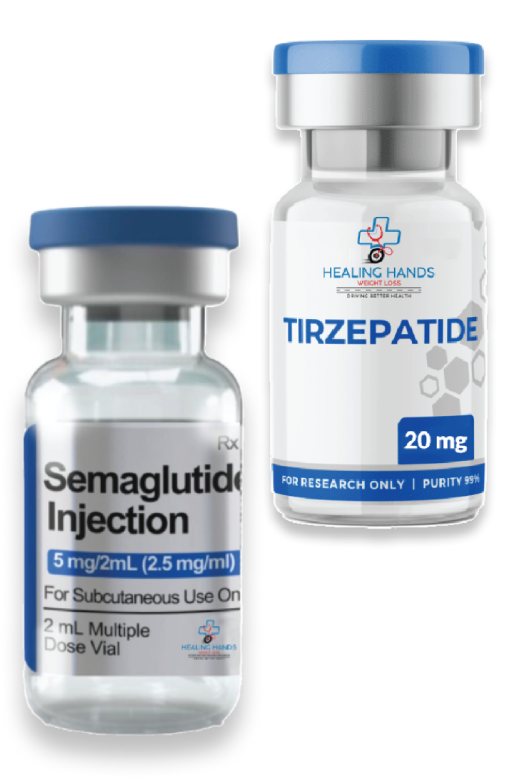
Is This Treatment Right for Me?
Many individuals who are overweight may be eligible for treatment with GLP-1 medications, no matter their age or ethnic background.
Do I Still Need Diet and Exercise?
Yes. It truly matters. While GLP-1 medication can support your weight goals, it is not a quick fix or a standalone solution. The real progress happens when you pair your treatment with balanced nutrition and consistent physical activity. When you commit to both, you give yourself the best chance to see meaningful and lasting results.
What Results Can I Expect?
Results can vary from person to person, but many patients see a reduction of about 10 to 15% of their body fat after consistently using GLP-1 medication for 6 to 8 weeks while also following a healthy diet and regular exercise plan.
How Long Does Treatment Typically Last?
The length of treatment is different for everyone. Some people choose to continue long-term, while others decide to stop once they have achieved their weight loss goals.

Dosing Schedule
The dose of Semaglutide gradually increases every month until the highest appropriate level is reached that is right for you. The injection is to be taken once weekly, on the same day each week, at whatever time works best for you, with or without meals. It is given as a subcutaneous injection that you administer yourself into the fatty tissue of the abdomen or thigh.
IMPORTANT: THIS MEDICATION FOLLOWS A STRUCTURED TITRATION PLAN. EVERY NEW PATIENT BEGINS WITH THE MONTH 1 DOSE. AFTER THE FIRST MONTH, THE AMOUNT PER INJECTION RISES STEP BY STEP THROUGH MONTHS 2, 3, 4, AND 5. AFTER THAT, A MAINTENANCE DOSE MAY CONTINUE BASED ON YOUR PERSONAL GOALS.
PATIENT INSTRUCTIONS FOR SEMAGLUTIDE
| Month | Dosage | Injection Instructions |
|---|---|---|
| Month 1 | 0.25mg once a week x 4 weeks | Inject 0.05 mL weekly x 4 weeks with Semaglutide/ 5 mg/0.5 mg/mL |
| Month 2 | 0.5mg once a week x 4 weeks | Inject 0.1 mL weekly x 4 weeks with Semaglutide/ 5 mg/0.5 mg/mL |
| Month 3 | 1 mg once a week x 4 weeks | Inject 0.2 mL weekly x 4 weeks with Semaglutide/ 5 mg/0.5 mg/mL |
| Month 4 | 1.5 mg once a week x 4 weeks | Inject 0.3 mL weekly x 4 weeks with Semaglutide/ 5 mg/0.5 mg/mL |
| Month 5 | 2 mg once a week x 4 weeks | Inject 0.4 mL weekly x 4 weeks with Semaglutide/ 5 mg/0.5 mg/mL |

What If I Can’t Tolerate a Higher Dose?
If a higher dose seems difficult to manage, you can return to the previous dose and continue for 4 weeks. After that period, you may consider increasing the dose again to see if it feels more tolerable.
How do I Inject the Medication?
Preparation: Start by gathering your medication syringe and an alcohol swab. Wash your hands thoroughly before you begin. Clean the selected injection area with the alcohol swab and allow it to dry. Gently pinch the skin to create a firm surface. Choose a spot at least two inches away from your belly button on either side.
Application: Next, holding the syringe between your thumb and index finger, insert the needle into the skin at a 90-degree angle. Press the plunger down slowly and steadily until it is fully depressed.
Post-Injection: Then, carefully remove the needle from the skin. Rotate injection sites between each side of the abdomen, the back of the upper arm, or the thigh. Because the medication is placed just under the skin, discomfort is usually minimal.
Additional Advice: If you feel that you need additional support, video tutorials for subcutaneous injections are available online, which can be helpful as you continue your weight loss journey.

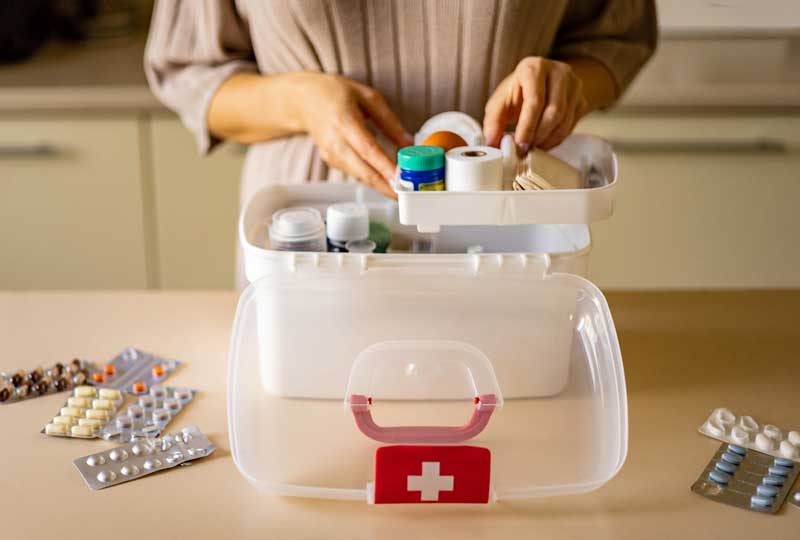
Semaglutide Storage Guidelines
You are advised to keep GLP-1 injections stored safely out of the reach of children. Also, place them in the refrigerator between doses to maintain proper storage.
Make sure to discard used needles in an approved sharps container, which can be obtained at most retail pharmacies. If one is not available, place the needles in a sturdy, sealed container, such as a tightly closed bottle or metal can.