
Understanding Tirzepatide?
If you have been hearing more about tirzepatide lately, you are not alone. It has become an important option for people working on their health, whether that means improving blood sugar levels or focusing on long-term weight management.
Tirzepatide is the active ingredient in the brand Zepbound, which is prescribed to help adults lose weight and keep it off. It helps reduce appetite and slows the movement of food from the stomach into the small intestine.
As a result, you may feel full sooner during meals and satisfied for a longer time afterwards. The medication is taken once a week as an injection under the skin using a prefilled pen, designed to make the process simple and manageable.
Zepbound is approved by the FDA for adults who have obesity or who are overweight and also have weight-related medical conditions. It is meant to be used alongside balanced nutrition and regular physical activity. Think of it as a tool that supports your efforts, not a substitute for healthy habits.
The same medication is also available under the brand name Mounjaro. While it contains the same active ingredient, it is approved for a different purpose. Mounjaro is used to treat adults with type 2 diabetes. It aids in controlling blood sugar levels by encouraging the release of insulin when blood sugar is elevated. This reduces the amount of sugar produced by the liver and slows digestion. Like Zepbound, it works best when combined with diet and exercise.
Mounjaro may be used on its own or together with other diabetes medications, including sulfonylureas, SGLT2 inhibitors, or metformin. It is not intended for people with type 1 diabetes, and it is not known whether it is appropriate for individuals who have experienced pancreatitis.
Both Zepbound and Mounjaro are manufactured by Eli Lilly and Company and are available in single-dose pens in strengths ranging from 2.5 mg to 15 mg per 0.5 mL.
The Science Behind tirzepatide
Under normal circumstances, when we eat, the body releases natural hormones known as GIP and GLP-1 from the gut. These hormones help increase insulin secretion, reduce appetite, slow the emptying of the stomach, and enhance the sense of fullness. Tirzepatide works by mimicking these natural GIP and GLP-1 hormones and activating their receptors in the body. This process can be especially meaningful for certain groups, including seniors, who may be managing multiple health concerns.
Tirzepatide is classified as both a GIP and GLP-1 receptor agonist. In terms of its mechanism of action, it works by stimulating the hormone receptors for GIP, or glucose-dependent insulinotropic polypeptide, and GLP-1, or glucagon-like peptide-1.
Potential Side Effects and Safety Considerations of Tirzepatide
Common Tirzepatide Side Effects That You Should Know
The most common side effects of Tirzepatide are stomach pain, burping, constipation, diarrhoea, indigestion, tiredness, acid reflux, hair thinning, allergic reactions, redness or irritation at the injection site, nausea, and vomiting.
So, if you are considering this medication, it is important to have an open conversation with your healthcare provider to help you decide whether it is right for you.
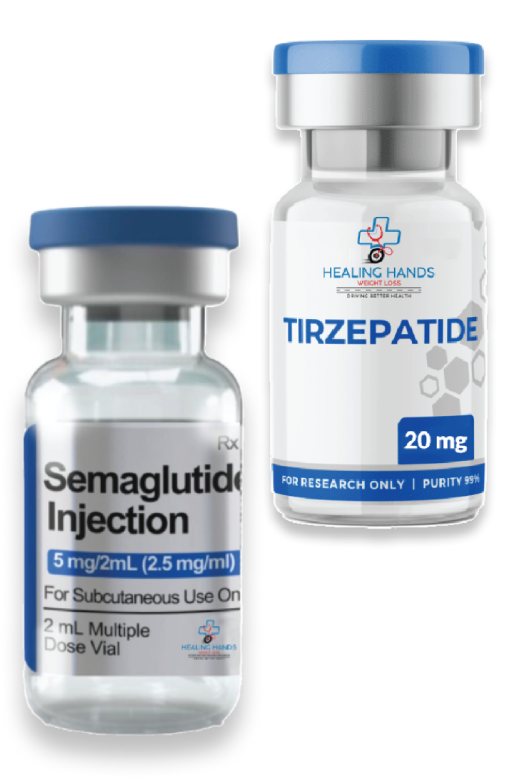
What to Do If You Miss a Dose?
First, remember that it happens. Life gets busy, but if you realize you missed your tirzepatide injection, take it as soon as you remember, provided it is within 4 days of when it was due. If more than 4 days have already passed, simply skip that dose and continue with your regular schedule. Do not administer two injections within 3 days of each other. Keeping a steady routine matters, especially when you are using this medication as part of your weight loss plan.
What to Do in Case of a Suspected Overdose?
If too much medication has been taken, contact the Poison Control helpline right away at 1-800-222-1222. You can also find guidance and resources online through Poison Help. If the person has collapsed, experienced a seizure, is having difficulty breathing, or cannot be awakened, call 911 immediately for emergency medical assistance.
What Is Tirzepatide Made Of?
Active component: tirzepatide
For Mounjaro, the inactive components include sodium chloride, sodium phosphate dibasic heptahydrate, and sterile water for injection. A small amount of hydrochloric acid solution and or sodium hydroxide solution may also be used to balance the pH of the formula.
What Should You Know Before Starting Tirzepatide?
Make sure your doctor knows about every medication you take, including over-the-counter products, vitamins, and supplements, since some can interact with tirzepatide. Oral birth control pills may not work as well, so you may need to consider another form of contraception. If you are using other diabetes medications, tirzepatide can raise the risk of low blood sugar, so careful monitoring is important.
Administration and Dosing Schedule
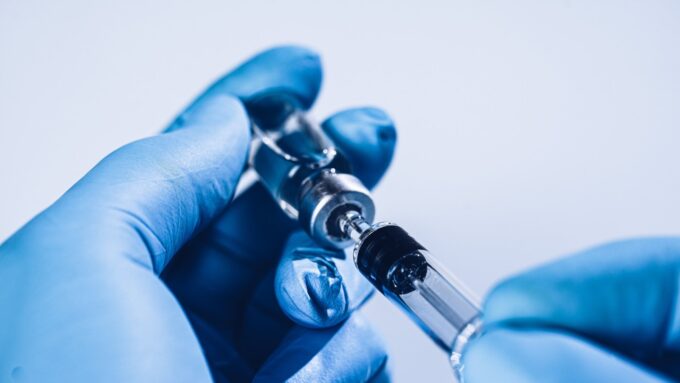
The dosing plan is designed to increase gradually each week until you reach your highest appropriate dose. The injection should be taken once weekly, on the same day each week, at any time of day, with or without meals. It is given as a subcutaneous injection that you administer yourself into the fatty tissue of the abdomen or thigh.
IMPORTANT: THIS MEDICATION FOLLOWS A STEPWISE TITRATION PLAN. EVERY NEW PATIENT BEGINS WITH THE WEEK 1 DOSE. AFTER THE FIRST MONTH, THE AMOUNT PER INJECTION RISES PROGRESSIVELY THROUGH MONTHS 2, 3, 4, AND 5. AFTER THAT, YOU CAN CONTINUE WITH A MAINTENANCE DOSE BASED ON YOUR INDIVIDUAL GOALS.
Tirzepatide Dosing information
| Condition | Initial Dose | After 4 Weeks | Maintenance Dose | Maximum Dose |
|---|---|---|---|---|
| Weight Loss (Adult) | 2.5 mg subcutaneously once a week | Increase to 5 mg subcutaneously once a week | 5 mg, 10 mg, or 15 mg subcutaneously once weekly | 15 mg subcutaneously once a week |
| Diabetes Type 2 (Adult) | 2.5 mg subcutaneously once a week | Increase to 5 mg subcutaneously once a week | Increase in 2.5 mg increments as needed for glycemic control | 15 mg subcutaneously once a week |
Comments: The 2.5 mg dosage is for starting of treatment and is not intended for glycemic control. The day of weekly administration can be changed, if necessary, as long as the time between the 2 doses is at least 3 days (72 hours).
How To Use Tirzepatide?
It is important to pay close attention to the instructions on your prescription label and follow them carefully. If something does not make sense, do not hesitate to ask your doctor or pharmacist to walk you through it. This medication works best when it is used exactly as prescribed, so avoid changing the dose or taking it more or less often unless your doctor advises you to do so.
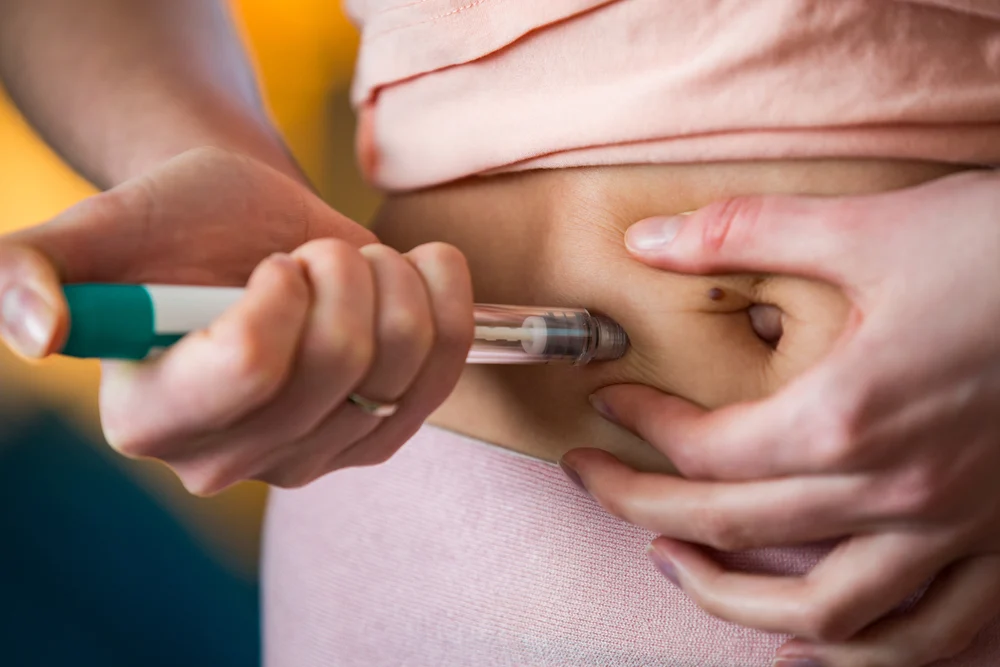
Tirzepatide is given once a week as an injection under the skin, with the help of a prefilled, single-dose pen that is designed for self-administration.
Mounjaro helps manage type 2 diabetes, but it does not cure the condition. It may take four weeks or even longer before you notice the full benefit. Even if you start to feel well, continue taking the medication as directed, and speak with your doctor before making any decision to stop.
How to Inject Tirzepatide??
Getting Ready: Gather your medication syringe and an alcohol swab before you begin. Start by washing your hands thoroughly. Clean the chosen injection area with the alcohol swab and let it dry. Gently pinch the skin to create a firm surface. Choose a spot at least two inches away from your belly button on either side.
Injection: Hold the syringe between your thumb and index finger and insert the needle into the skin at a 90-degree angle. Then, press the plunger down slowly and steadily until it reaches the bottom.
Post- Injection: Once done, carefully remove the needle from the skin. Rotate injection sites between the abdomen, the back of the upper arm, and the thigh. Because the medication is delivered just under the skin, discomfort is usually minimal.
If you would like extra guidance, instructional videos for subcutaneous injections are available online.
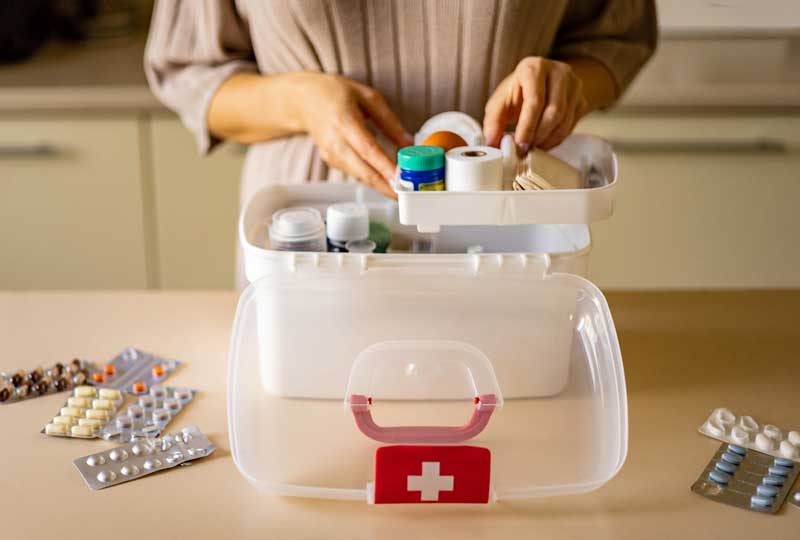
Tirzepatide Storage Instructions
- Keep the medication in the refrigerator at a temperature between 36°F and 46°F (2°C to 8°C).
Do not allow it to freeze, and do not use it if it has been frozen. - In addition to that, leave the single-dose pens inside their original carton until you are ready to use them, as this helps shield them from light.
- If necessary, a single-dose pen may be kept at room temperature, up to 86°F (30°C), but not for longer than 21 days.